
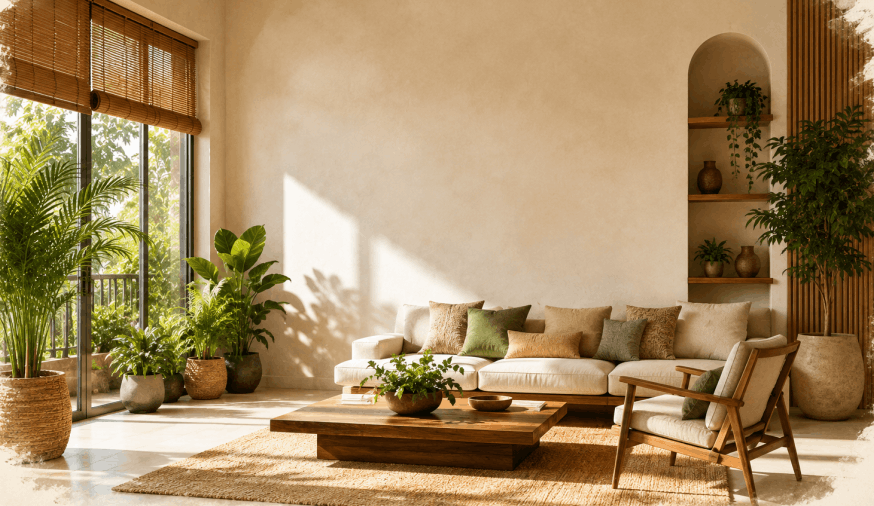
In recent years, cities like Pune have started experiencing rising temperatures and prolonged heatwaves due to rapid urbanization, loss of tree cover, increasing concrete surfaces, and changing climate patterns. While air conditioning has become a common response to heat, it is not always affordable, sustainable, or healthy as a long-term solution. Excessive dependence on AC systems also increases energy consumption and contributes further to urban heat.
The good news is that thoughtful interior design and passive cooling strategies can significantly reduce indoor heat gain and improve comfort naturally. A well-designed space can remain cooler, brighter, healthier, and more energy – efficient even during peak summer months.
- Smart Layout Planning for Better Air Flow
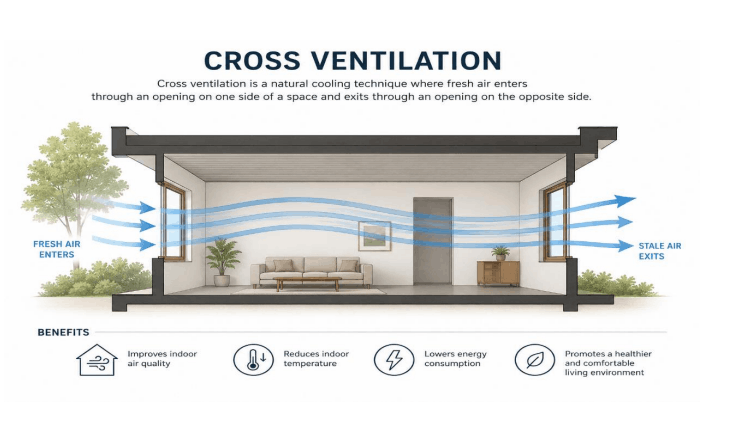
One of the most effective ways to reduce heat indoors is through proper layout planning. Interior spaces should be designed to allow natural air movement and cross ventilation.
Key Planning Strategies:
- Keep windows and openings aligned wherever possible to allow air circulation.
- Avoid blocking windows with thick fabric/ wooden blinds/ kus curtains.
- Use open layouts instead of heavily compartmentalized spaces.
- Position workstations, seating areas, and beds away from direct west-facing sunlight.
- Create buffer zones such as utility areas, passages, or storage spaces on the hotter sides of the building.
Cross ventilation helps hot air escape and allows cooler air to flow naturally through the premises. Even small changes in furniture arrangement can improve ventilation significantly.
2. Reduce Heat Through Interior Materials
Interior materials play a major role in indoor temperature control. Certain materials absorb and retain heat, while
others help maintain cooler interiors.
Recommended Materials:
- Use light-colored wall paints and finishes that reflect heat instead of absorbing it.
- Choose natural materials such as bamboo, cane, cotton, jute, and wood.
- Avoid excessive use of dark laminates, metal surfaces, and heat-absorbing finishes.
- Use breathable fabrics for curtains, upholstery, and bedding.
- Install thermal curtains or double-layer curtains to reduce direct solar heat.
Glossy and dark surfaces tend to trap heat, while matte and lighter surfaces help maintain thermal comfort

3. Window Treatment and Sun Protection
Windows are one of the biggest sources of indoor heat gain. Proper shading and treatment can drastically reduce
heat entering the room.
Effective Window Solutions:
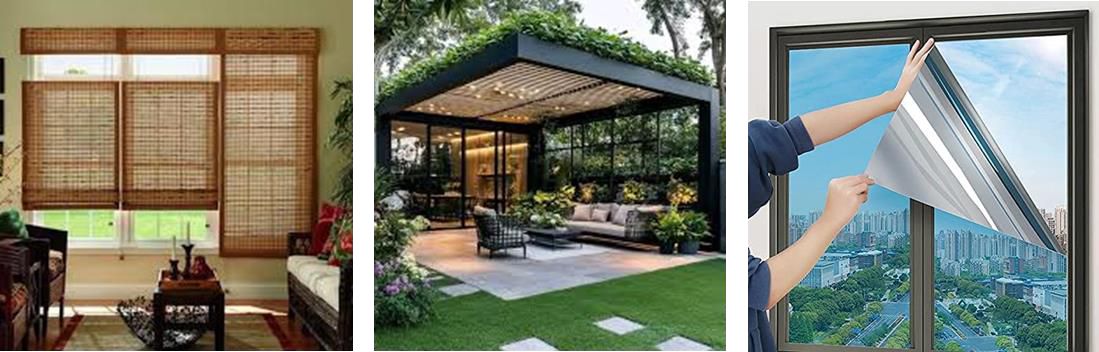
- Use blinds, bamboo screens, or thermal curtains.
- Install reflective films or UV-protective coatings on glass.
- Use indoor plants near windows to reduce glare and improve cooling.
- Add external shading devices such as chajjas, pergolas, or vertical fins.
- Keep west-facing windows protected during afternoon hours.
Natural shading can lower indoor temperatures considerably without increasing electricity usage.
4. Furniture Planning Matters
Overcrowded interiors restrict airflow and create heat pockets. Minimal and well-spaced furniture layouts improve
comfort and ventilation.
Interior Design Tips:
- Avoid excessive furniture and clutter.
- Use raised furniture instead of heavy floor-touching pieces.
- Maintain gaps between furniture and walls for air movement.
- Prefer lightweight and breathable furnishings.
- Use modular and multifunctional furniture to reduce congestion.
Minimalist interiors are not only aesthetically pleasing but also perform better thermally.
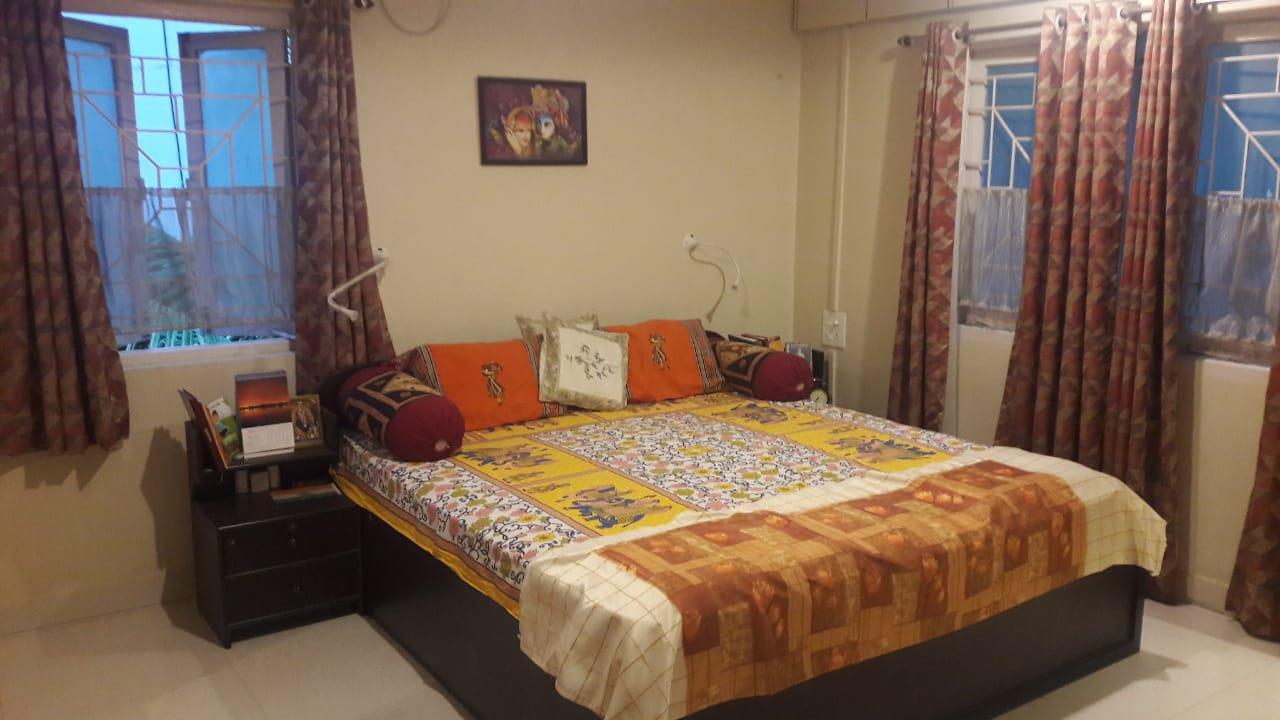
5. Bring Nature Indoors
Indoor greenery can help cool interiors naturally by improving humidity balance and reducing heat reflection.
Plants That Help:
- Areca Palm
- Snake Plant
- Money Plant
- Aloe Vera
- Peace Lily
Plants also improve indoor air quality and create a calmer, healthier environment.

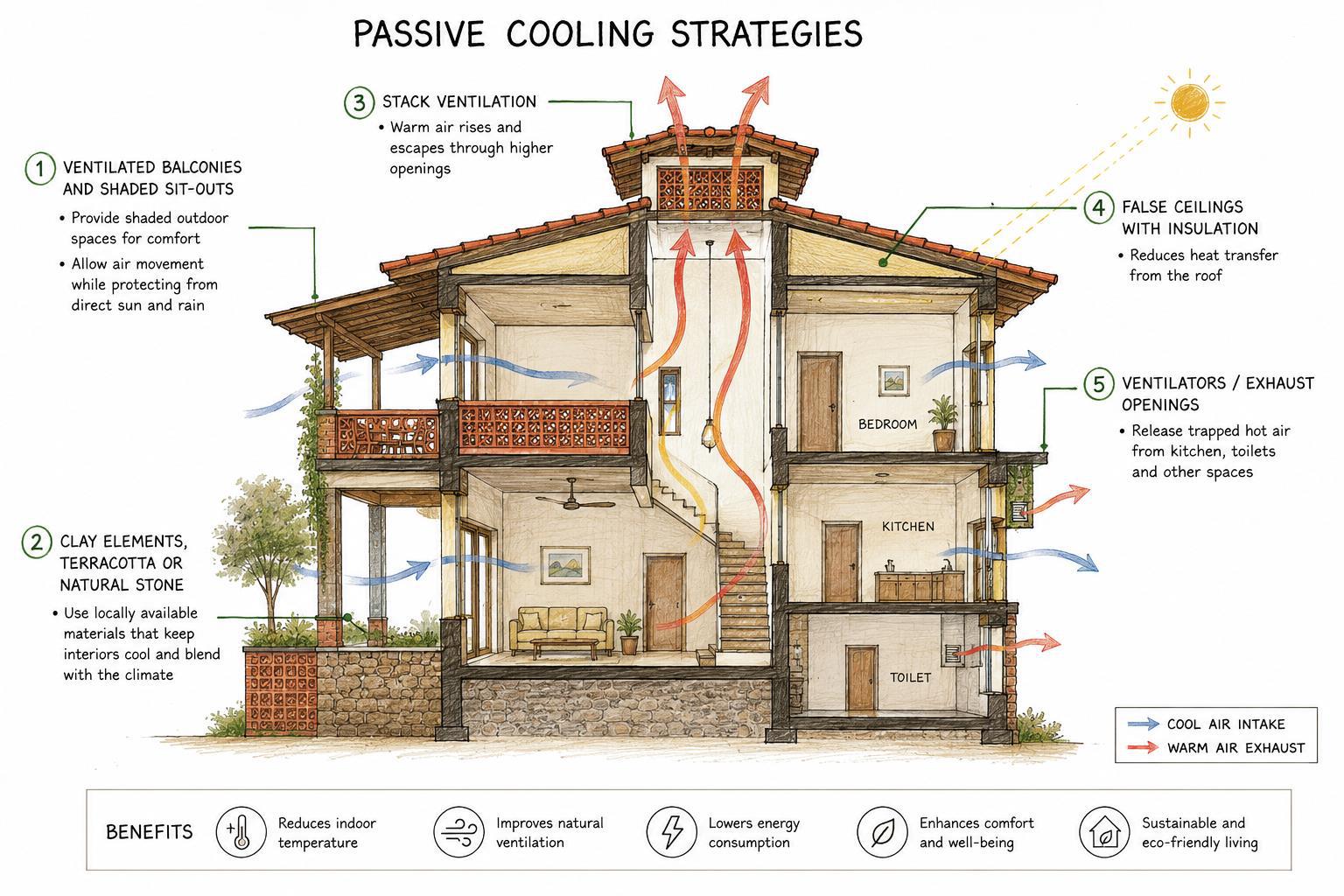
6. Use Passive Cooling Strategies
Passive cooling means reducing heat without mechanical systems. Traditional Indian architecture used many passive strategies that are still highly relevant today.
Passive Cooling Ideas:
- Use ventilated balconies and shaded sit-outs.
- Introduce clay elements, terracotta, or natural stone where possible.
- Encourage stack ventilation where warm air rises and escapes through higher openings.
- Use false ceilings with insulation to reduce roof heat transfer.
- Install ventilators or exhaust openings to release trapped hot air.
These techniques can reduce dependence on air conditioners and improve long-term sustainability.
7. Lighting and Appliances Also Generate Heat
Many people overlook internal heat generated from lighting and appliances.
Simple Measures:
- Replace traditional bulbs with LED lighting.
- Use energy-efficient appliances.
- Switch off unused devices.
- Avoid placing heat-generating appliances in compact spaces.
- Use ceiling fans strategically to improve air circulation.
Reducing internal heat sources can make interiors noticeably cooler.
Conclusion
As climate change and urban heat continue to impact our cities, interior design must evolve beyond aesthetics alone.
A thoughtfully planned interior can reduce heat gain, improve comfort, lower energy bills, and create healthier
living and working environments.
At Aquila Projects LLP, we believe that good interior design should not only look beautiful but should also respond
responsibly to climate and human wellbeing. Through smart planning, passive cooling strategies, material selection,
and sustainable design approaches, it is possible to create cool and comfortable spaces without depending entirely
on air conditioning.
Designing for thermal comfort today is no longer a luxury — it is becoming a necessity for sustainable urban living